

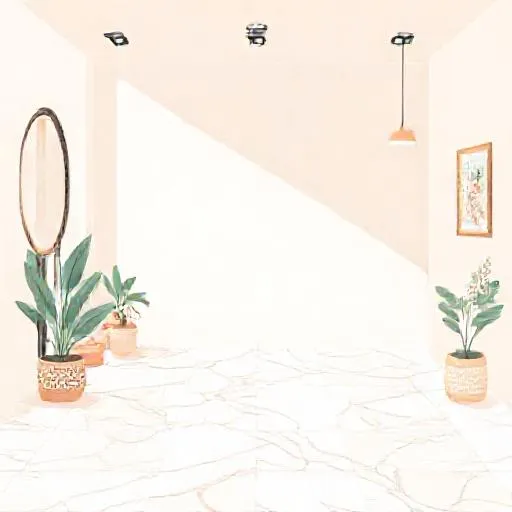
Natural marble inter
Why Real Marble Floor Tiles Are Having a Moment in 2026
If you've been keeping an eye on interior design trends this year, you've probably noticed a strong pull toward organic, natural materials. Folks are over the synthetic everything era. They want their homes to feel grounded, warm, and connected to something authentic. And real marble floor tiles fit that mindset like a glove. The natural stone revival isn't just a niche home decor moment—it's showing up in kitchen remodeling, bathroom renovation, and living room upgrades across the board. Homeowners want timeless elegance they can actually feel underfoot, and real marble floor tiles deliver exactly that.
Beyond the aesthetic appeal, there are practical reasons this natural stone flooring keeps dominating the conversation. Advances in sealing technology have made real marble floor tiles far more resistant to stains and moisture than ever before. What used to be a high-maintenance luxury flooring option is now a genuinely viable choice for busy households. Industry professionals I've chatted with consistently point out that modern impregnating sealers—especially the ones developed over the last couple of years—have completely changed the game for real marble floor tiles. That means you get the durability and low maintenance you'd expect from porcelain tile, but with the soul of genuine stone.
Plus, there's the resale value factor. A home with authentic stone flooring stands out in a crowded real estate market. Agents will tell you that buyers instantly notice the difference between porcelain that mimics marble and the real thing. It's one of those rare home upgrades that pays you back—both in daily enjoyment and long-term property value. When you install real marble floor tiles, you're not just decorating; you're making a home investment that holds its worth.
Understanding the Different Types of Real Marble Floor Tiles and Natural Stone Varieties
Not all marble is created equal. Before you commit to a purchase, it helps to understand what's actually available on the stone market. Here's a breakdown of the most popular marble varieties you'll encounter in 2026, and how each one works as a flooring material:casino sign up offers
1. Calacatta Marble Floor Tiles for Bold, Dramatic Interior Design
This is the showstopper of the marble world. Calacatta features a bright white background with bold, dramatic veining in gold, gray, or brown. It's the type you see in high-end hotel lobbies and luxury showrooms. If you want your flooring to make a statement, these real marble floor tiles are it. Just be prepared for a higher price point—Calacatta is rarer and commands a premium in every stone showroom.
2. Carrara Marble Floor Tiles: The Classic Choice for Timeless Elegance
Carrara is the classic. It's softer in appearance than Calacatta, with a white or blue-gray background and subtle, feathery veining. It's been used in sculpture and architecture for centuries, and it remains one of the most popular choices for residential flooring. These real marble floor tiles are elegant without being flashy—perfect for a refined, understated look in any living space.
3. Statuario Marble Floor Tiles for Sophisticated Flooring Design
Statuario sits somewhere between Calacatta and Carrara in terms of drama. It has a white background with distinct, well-defined gray veining. Historically, this was the material sculptors preferred because of its density and workability. Today, real marble floor tiles in Statuario are a favorite for floors that need to look sophisticated but not overwhelming—ideal for open-plan living areas.
4. Emperador Marble Floor Tiles for Warm, Cozy Home Interiors
If you're drawn to darker tones, Emperador is worth considering. This brown-toned marble with lighter veining adds warmth and depth to a space. Real marble floor tiles in this variety work beautifully in bathrooms, entryways, and rooms where you want a cozy, grounded feel. The rich color palette pairs well with wood tones and warm lighting design.
5. Nero Marquina Marble Floor Tiles for High-Contrast Luxury Flooring
This is the dramatic choice—a deep black marble with striking white veining. It's bold, glamorous, and unforgettable. Nero Marquina real marble floor tiles are often used as an accent or in spaces where contrast is the goal. It shows dust more readily than lighter marbles, so keep that in mind if you're considering it for a high-traffic area like a kitchen floor.
Real Marble Floor Tiles vs. Porcelain Lookalikes: What's the Real Difference?
This is probably the question I get asked most often. Porcelain tiles that mimic marble have gotten incredibly good in recent years. Some are nearly indistinguishable from the real thing in photos. So why would anyone still choose genuine real marble floor tiles?
Here's the honest answer: it comes down to what you value. Porcelain offers lower maintenance, consistent coloring, and a lower price tag. Real marble floor tiles offer authenticity, unique character, and a tactile quality that no manufactured product can replicate. Every real marble tile is slightly different—the veining patterns are one-of-a-kind, created over millions of years. That natural variation is exactly what makes real marble floor tiles so special.
There's also the "feel" factor. Natural stone stays cooler underfoot, which is a genuine advantage in warmer climates. And over time, real marble floor tiles develop a subtle patina—a soft, lived-in glow that many homeowners find deeply appealing. Porcelain, by contrast, looks the same on day one thousand as it did on day one.
My take? If you want a floor that feels like a piece of art and you're willing to invest in proper care, go with real marble floor tiles. If you want maximum durability with zero fuss and a tighter budget, porcelain is a smart alternative. Neither choice is wrong—it's about matching the flooring material to your lifestyle.
The Cost of Real Marble Floor Tiles in 2026: A Realistic Budget Breakdown
Let's talk numbers. Real marble floor tiles are an investment, and the price range is wide depending on the type, quality, and source. As a general guideline for flooring costs in 2026:
- Entry-level marble (like basic Carrara): $8–$15 per square foot for the material alone
- Mid-range options (Statuario, Emperador): $15–$30 per square foot
- Premium selections (Calacatta, rare varieties): $30–$60+ per square foot
- Installation labor: $8–$20 per square foot, depending on your region and the complexity of the job
So a 200-square-foot room could cost anywhere from $3,200 to well over $15,000, all-in. That's a big range, which is why it's crucial to get quotes from multiple suppliers and installers. Don't forget to factor in sealing costs and any subfloor preparation that might be needed.
One money-saving tip: consider using premium real marble floor tiles in high-visibility areas and a more affordable option in less prominent spaces. You can also look at remnant slabs or end-of-run inventory, which suppliers often discount significantly. A little flexibility on timing can save you thousands on your marble flooring project.
How to Choose the Right Real Marble Floor Tiles for Your Space and Lighting
Choosing real marble floor tiles isn't just about picking the prettiest slab. You need to think about where it's going and how it'll be used. Here's a practical framework for homeowners navigating the stone selection process:
Consider the Room's Function and Foot Traffic Before Buying Marble
High-traffic areas like entryways and kitchens need denser, more durable marble varieties. Softer marbles like Carrara can scratch more easily, so they're better suited to bathrooms, bedrooms, or living rooms with lighter foot traffic. If you have pets or kids, think carefully about whether a softer stone is the right call for your real marble floor tiles.
Think About Lighting Design and Natural Light When Selecting Marble
Natural stone looks different under different lighting conditions. A slab that looks warm and creamy in the showroom might appear cooler or grayer in your home. Always ask to see samples in your actual space, at different times of day. This step alone prevents a lot of regret when you're investing in real marble floor tiles.
Match Your Design Vision and Interior Style with Marble Flooring
Do you want a floor that blends seamlessly with your walls, or one that serves as a bold focal point? Bold veining (like Calacatta) draws the eye and works well in minimalist spaces where the floor becomes the star. Subtle veining (like Carrara) creates a calmer, more cohesive backdrop for furniture and art. Either way, real marble floor tiles anchor the room's design scheme.
Check the Finish and Surface Texture of Marble Floor Tiles
Polished marble gives you that glossy, mirror-like look that reflects light and makes spaces feel larger. Honed marble (matte) offers a softer, more contemporary feel and is generally more slip-resistant. For bathrooms and high-moisture areas, honed or brushed finishes on your real marble floor tiles are often the smarter choice.
Installation Tips for Real Marble Floor Tiles: What to Expect from Professional Contractors
Installing real marble floor tiles is not a DIY-friendly project. This is a job for experienced professionals—and I can't emphasize that enough. Natural stone requires a perfectly level subfloor, precise cutting, and careful handling to avoid chipping or cracking. A botched installation can ruin even the most expensive real marble floor tiles.
The installation process typically involves:
- Subfloor assessment and preparation: Ensuring the surface is level, clean, and structurally sound
- Layout planning: Dry-fitting tiles to minimize visible seams and optimize the veining patterns
- Setting the tiles: Using a white thin-set mortar (gray mortar can stain lighter marbles)
- Grouting: Filling joints with a color-matched grout—unsanded grout is usually preferred for polished marble to avoid scratches
- Sealing: Applying an impregnating sealer to protect against moisture and stains
- Polishing (optional): Enhancing the surface shine and smoothing any minor imperfections
Expect the installation itself to take a few days for a typical room, plus curing time before you can walk on your new real marble floor tiles. Plan accordingly, especially if you're renovating multiple rooms.
Maintaining Real Marble Floor Tiles: A Realistic Care and Cleaning Guide
Here's where people either fall in love with real marble floor tiles or regret them forever. The truth is that maintenance is manageable—but it's not zero-effort. You need to know what you're signing up for when you choose natural stone flooring.
Daily Care and Cleaning Products for Marble Floor Tiles
Sweep or dust-mop regularly to remove grit that can scratch the surface. Use a damp mop with a pH-neutral cleaner made specifically for natural stone. Avoid vinegar, lemon juice, and any acidic or abrasive cleaners—they will etch the surface and dull the finish on your real marble floor tiles over time.
Sealing and Resealing Your Marble Floor Tiles for Long-Term Protection
Even with modern sealers, marble needs periodic resealing. Depending on the type of marble and the sealer used, this might mean every one to three years. A simple water test—sprinkling a few drops of water on the surface and seeing if it beads up or absorbs—can tell you when it's time to reseal your real marble floor tiles.
Stain Prevention Tips for Keeping Marble Floor Tiles Pristine
Wipe up spills promptly, especially oil, wine, coffee, and anything acidic. Use coasters and felt pads under furniture legs. Place mats at entryways to catch dirt and moisture before they reach the stone. These small habits make a big difference in keeping your real marble floor tiles looking fresh.
Long-Term Care and Professional Polishing for Marble Floor Tiles
Over time, even well-maintained marble can lose its shine or develop minor scratches. Professional polishing and honing can restore the surface to like-new condition. Many stone care specialists offer this service, and it's worth doing every few years to keep your real marble floor tiles looking their best.
One more thing: marble naturally develops a patina with age. Some people see this as wear and tear; others see it as character. If you embrace the idea that your floor will evolve and tell a story over time, you'll be much happier with real marble floor tiles than if you expect them to look factory-perfect forever.
Common Mistakes to Avoid When Buying and Installing Real Marble Floor Tiles
Before I wrap up, let me save you from a few pitfalls I've seen people run into with real marble floor tiles:
- Buying without seeing samples in person: Photos and screens distort color and veining. Always inspect physical samples in your space.
- Skipping the sealing step: Some installers rush this. Don't let them. Sealing is non-negotiable for real marble floor tiles.
- Using the wrong cleaning products: That all-purpose spray under your sink? It might be ruining your floor. Use stone-specific products only.
- Ignoring the substrate: A weak or uneven subfloor will cause cracks and hollow spots. Insist on proper preparation.
- Over-buying or under-buying: Order 10–15% extra to account for cuts, breakage, and future repairs. Running short mid-project is a nightmare.
Is Real Marble Flooring Right for You? A Final Honest Take on Natural Stone
Real marble floor tiles are not for everyone, and that's okay. They require an upfront investment, a bit of ongoing care, and a willingness to embrace natural imperfection. But for the right homeowner, real marble floor tiles are nothing short of transformative.50 free spins
There's a reason this natural stone has been used in architecture for thousands of years. It's beautiful, it's durable, and it carries a sense of permanence that few other flooring materials can match. In 2026, with improved sealing technology and a wider range of finishes than ever before, real marble floor tiles are more accessible and practical than they've ever been.200 free spins
If you love the idea of a floor that feels like a work of art—one that adds warmth, elegance, and genuine value to your home—real marble floor tiles deserve a serious look. Take your time, do your research, choose your supplier carefully, and hire an experienced installer. Do those things, and you'll have real marble floor tiles you'll love for decades.
Ready to start exploring your options? Visit a local stone showroom, request samples, and see the material in person. Trust me—the moment you run your hand across a genuine marble surface, you'll understand what all the fuss is about with real marble floor tiles.